Keeping AI Characters Consistent Across Episodes
AI characters stay the same across episodes when every shot starts from a fixed reference. How cast sheets and keyframes work in Drama AI, how to write character descriptions that hold, and what to do when a face drifts.

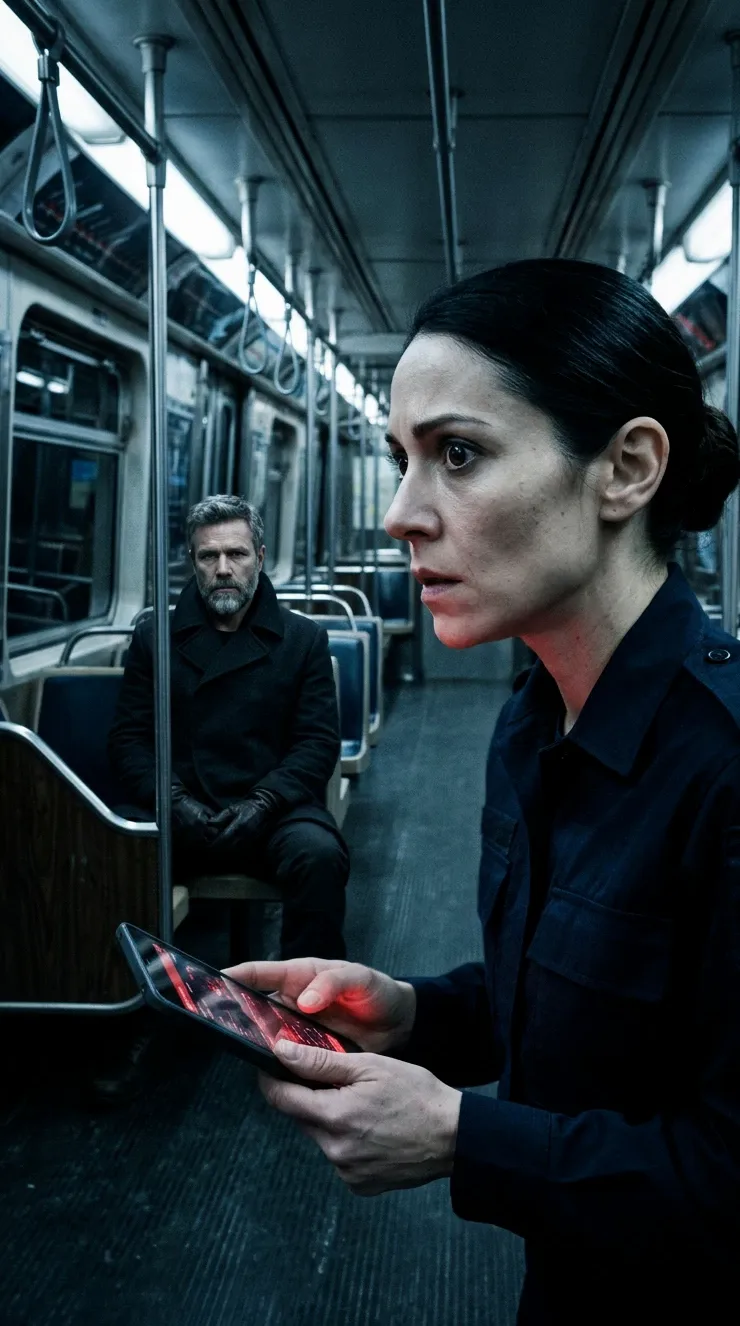
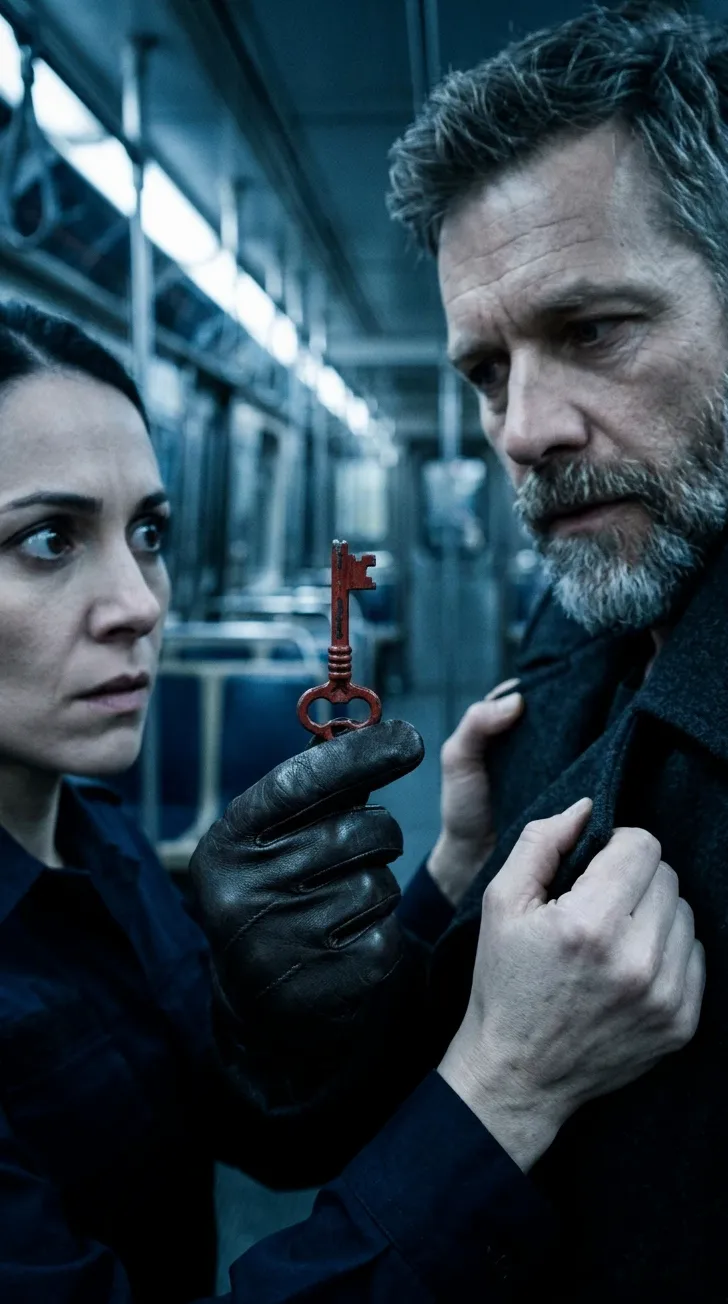
AI characters stay consistent across episodes when every shot is drawn from the same fixed reference instead of from a fresh text prompt. In Drama AI that reference is the cast sheet: one picture per character that locks the face, hair and outfit. Every keyframe is drawn from the cast sheets, and every video shot starts from its keyframe, so the same person appears in episode one and episode ten. This article explains how that chain works and how to get the most out of it.
Why AI characters drift
A video model reads a description like "a woman in her thirties with short dark hair" and invents a person who fits. Ask again and it invents another person who also fits. Over a whole series, that means a slightly different face in every shot: a sharper jaw here, longer hair there. On its own each shot looks fine; together they read as a different actor each time.
Text alone cannot fix this, because many different faces match the same words. What fixes it is giving the model a picture to follow.
The chain: cast sheet, keyframe, shot
Drama AI builds each shot in three linked steps.
- Cast sheet. When the writer creates your series, it gives every character a name, a role, a look and a voice. You can then draw a cast sheet for each one: a reference picture of that character at higher resolution. If a face is not right, redraw the sheet until it is. The sheet you keep becomes the reference for the whole series.
- Keyframe. For each shot, a still frame is drawn that places the characters in the scene with the right framing. The keyframe uses the cast sheets of everyone in the shot, so their faces and clothes match the reference.
- Shot. The eight-second video shot starts from that keyframe and adds movement, spoken dialogue, lip sync and sound.
Because the cast sheets belong to the series, not to one episode, the next episode uses the same ones automatically.
Writing characters that hold up
The cast sheet does most of the work, but a good description makes the first sheet closer to what you want and keeps scripts consistent.
- Give each character one distinctive feature. A red scarf, silver-streaked hair, round glasses. It helps viewers tell people apart on a small screen.
- Separate the leads visually. Two characters with similar hair, age and clothing are easy to confuse. Change at least two of those.
- Fix the costume. Decide what each character wears across the series. If someone changes clothes for a scene, say so in that shot's action line.
- Keep the cast small. A series has 2 to 4 characters, which keeps each face recognisable across short episodes.
All characters are invented adults. Drama AI does not take faces from photos or cast real people, so the cast sheet is always an original character.
When a face still drifts
Even with references, a shot can occasionally come out wrong: a character turned too far away, a lighting change that alters the look, or two characters blended together. When that happens:
- Reshoot the shot. Select it and re-render: Drama AI redraws its keyframe and renders it again, keeping every other shot, then rejoins the episode.
- Simplify the frame. Shots with one or two characters in clear view hold their likeness better than crowded scenes.
- Adjust the camera note. Faces stay truer in close-ups and medium shots than in extreme wide or back-facing angles.
- Redraw the cast sheet early. If you are unhappy with a character's reference, fix it before episode one is rendered, so later episodes do not carry the mistake.
What it costs
A cast sheet is a separate step with its own price, listed on the pricing page, and you draw it once per character for the whole series. Keyframes are charged per shot as part of each render. If a step fails, its credits return to your balance automatically.
Consistent characters are what make viewers follow a series rather than a single clip. Pair them with a strong opening and a clear ending, as described in writing a cliffhanger every 60 seconds, and each episode has a reason to be watched to the end.
Try it with your own premise
Write a premise, edit the cast and the episode script, and see the credit total before you render.